 Odisha news today, Latest Oriya News Bhubaneswar Online Odia news Portal
BY Adv Kanika Jaitely
The Unseen Wound: Why So Many Daughters Feel Like They’re Second Best
The relationship with your parents should feel like a haven of unconditional love. But for countless daughters, it doesn’t. They often carry a heavy, unspoken burden: the constant feeling that they are being judged, scrutinized, and ultimately, are not their parents’ top priority.
This isn’t a personal flaw. It’s a direct result of deep-seated societal rules that value a daughter based on expectations never placed on her male counterparts.
The Family is the First Judge
Society is quick to criticize women, but often, the pressure starts right at home. The people who should offer sanctuary become the first to enforce traditional roles.
The Priority Gap
In many cultures, sons are given the benefit of the doubt and the priority spot because they are seen as the ones who will carry the family name and manage the assets. Daughters are viewed as temporary—someone who will eventually leave.
This mindset leads to real differences:
* Investment: Resources like education and career support are often subtly or openly directed toward the son.
* Freedom: Sons typically get more freedom. Daughters face intense scrutiny over their clothes, friends, and career choices—all judged by how “suitable” she is for marriage.
The Myth of the “Female” Chore
Familial pressure hits hardest when it comes to household chores, which are wrongly labeled as “women’s work.”
Parents often tell daughters, “This is your job.” Meanwhile, sons are excused with the destructive phrase: “That’s not a boy’s work (ye kaam ladko ka nahi hai).”
This is not tradition; it’s unfair conditioning. Household work—cooking, cleaning—is a life skill and a shared responsibility.
History Counters the Myth
History proves this segregation is false:
* In the past, during the time of kings, men were often the primary chefs. Their royal title, “Maharaja” (Great King), did not conflict with their ability to cook.
* At the same time, royal daughters were not stuck in the kitchen. They were trained in essential skills like horse riding and sword fighting, preparing them to defend and govern.
By excusing sons from domestic life and burdening daughters, families reinforce the toxic idea that a daughter’s main value is her domestic service, not her ambition or strength.
The Cruel Standard of “Dead is Better Than Divorced”
The awful saying that “a dead daughter is better than a divorced daughter” reveals the terrible reality: a woman’s entire identity is tied to her marital status and the family’s “honor.” A failed marriage is seen as a greater stain than the loss of her life.
This mindset means daughters are constantly measured by an impossible standard of marital perfection, regardless of their professional success or personal achievements.
The Harsh Reality
Whether a daughter is divorced or not, the problem is the same: she often finds she is loved with conditions.
* Unforgiven Mistakes: A son’s mistakes are often dismissed as youthful errors. A daughter’s deviations from the path are met with lasting judgment and disappointment.
* Minimised Success: A son’s success is a family triumph. A daughter’s success is often viewed as secondary to her fulfilling her “primary” roles as a wife or mother.
Making Her Feel Seen and Heard
To the daughters who feel this deep lack of priority: Your feelings are valid. Your pain is real. Your need for unconditional love is fundamental. You are not defined by your marital status or anyone else’s approval.
Reclaiming your self-worth starts with recognizing it within yourself.
For parents, family, or anyone who cares about a woman who feels this way, a small gesture can change everything:
* Listen Without Judgment: When she talks, say, “I hear you, and what you’re feeling makes sense.” Don’t offer advice or try to fix it.
* Acknowledge Her Wins: Celebrate her successes in her career or hobbies—without immediately bringing up marriage or kids.
* Show Unsolicited Appreciation: A simple, spontaneous message like, “I’m so proud of the person you are,” can shift her entire day.
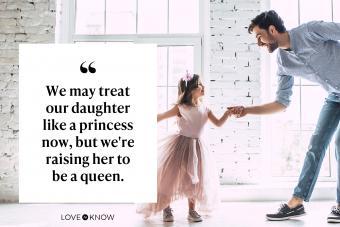
We must break this cycle. Every daughter deserves to feel that her existence is a source of unconditional joy and pride, not a constant source of anxiety or a role she must fulfill.