 Odisha news today, Latest Oriya News Bhubaneswar Online Odia news Portal
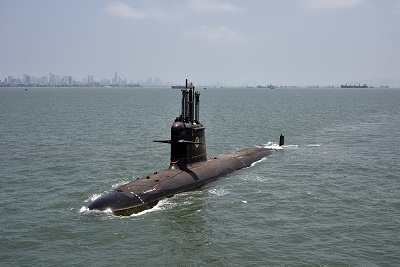
Mumbai:1/01/25:15 Jan 25 is set to become a landmark day in India’s history as the Indian Navy prepares to commission three frontline combatants – Nilgiri, the lead ship of the Project 17A stealth frigate class; Surat, the fourth and final ship of the Project 15B stealth destroyer class; and Vagsheer, the sixth and final submarine of the Scorpene-class project – together at Naval Dockyard, Mumbai.
This historic event will provide a significant boost to the Indian Navy’s combat potential while underscoring the country’s pre-eminent status in indigenous shipbuilding. All three platforms have been designed and constructed entirely at Mazagon Dock Shipbuilders Limited (MDL), Mumbai, a testament to India’s growing self-reliance in the critical domain of defense production. The successful commissioning of these advanced warships and submarines highlights the rapid progress made in warship design and construction, cementing India’s position as a global leader in defense manufacturing.
Nilgiri, the lead ship of Project 17A, is a major advancement over the Shivalik-class frigates, incorporating significant stealth features and reduced radar signatures through state-of-the-art technology. The Project 15B destroyer, Surat, is the culmination of the follow-on class to the Kolkata-class (Project 15A) destroyers, featuring substantial improvements in design and capabilities. Both ships were designed by the Indian Navy’s Warship Design Bureau and are equipped with advanced sensors and weapon packages developed primarily in India or through strategic collaborations with leading global manufacturers.
Equipped with modern aviation facilities, Nilgiri and Surat can operate a range of helicopters, including Chetak, ALH, Sea King, and the newly inducted MH-60R, during both day and night operations. Features such as a Rail-Less Helicopter Traversing System and a Visual Aid and Landing System ensure seamless operations under all conditions. These ships also include specific accommodations to support a sizeable complement of women officers and sailors, aligning with the Navy’s progressive steps toward gender inclusion in frontline combat roles.
Vagsheer, the sixth Scorpene-class submarine under the Kalvari-class Project 75, is one of the most silent and versatile diesel-electric submarines in the world. It is designed to undertake a wide range of missions, including anti-surface warfare, anti-submarine warfare, intelligence gathering, area surveillance, and special operations. Armed with wire-guided torpedoes, anti-ship missiles, and advanced sonar systems, the submarine also features modular construction, allowing for future upgrades such as the integration of Air Independent Propulsion (AIP) technology.
The combined commissioning of Nilgiri, Surat, and Vagsheer demonstrates India’s unparalleled progress in defense self-reliance and indigenous shipbuilding. The vessels have undergone rigorous trials, including machinery, hull, fire-fighting, and damage control assessments, as well as proving all navigation and communication systems at sea, making them fully operational and ready for deployment.
This historic occasion not only enhances the Navy’s maritime strength but also symbolizes the nation’s remarkable achievements in defense manufacturing and self-reliance. It is a proud moment for the Indian Navy and the nation as a whole, further reinforcing India’s commitment to building a robust and self-sufficient defense ecosystem.
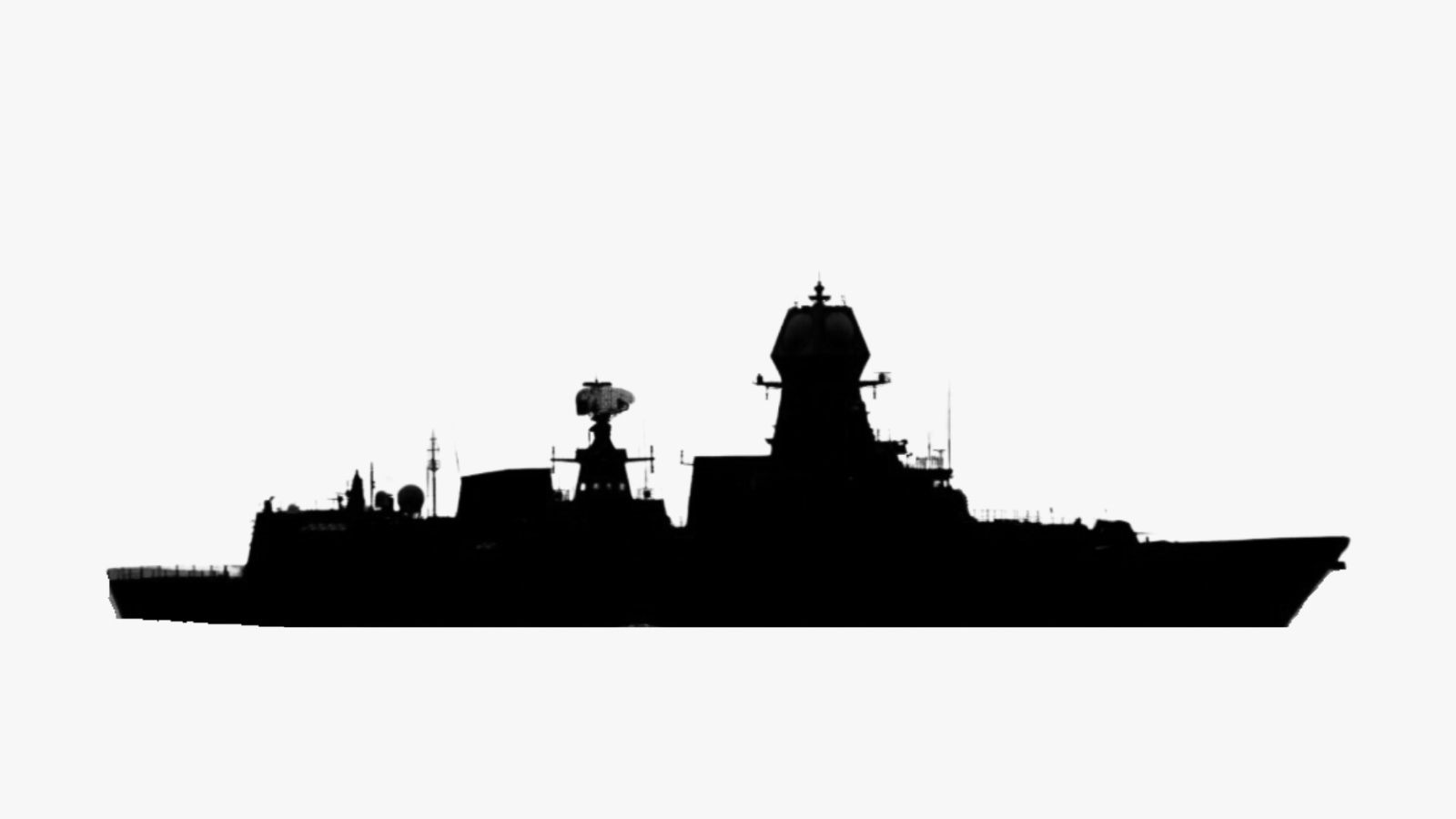
Surat
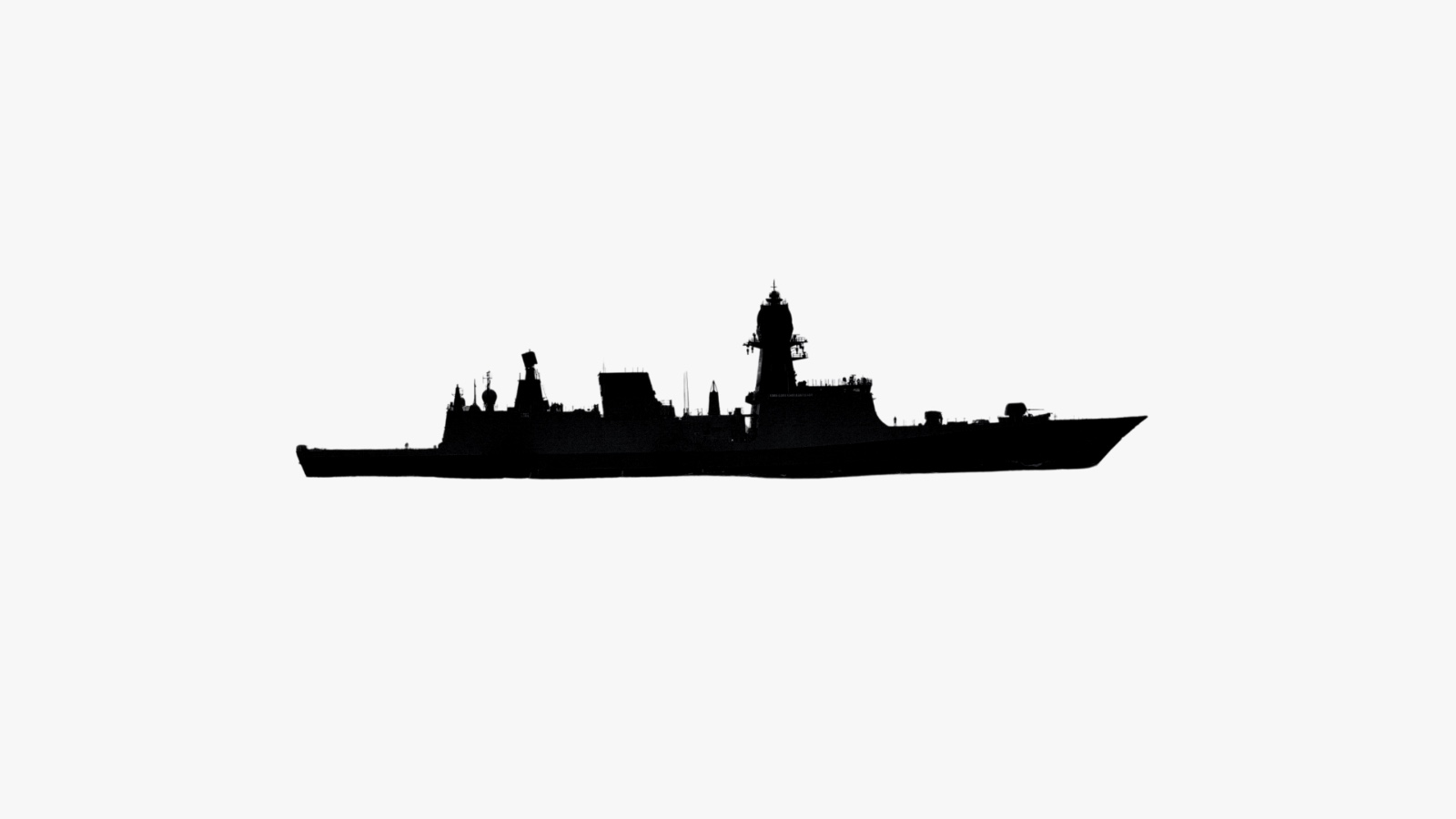
Nilgiri