 Odisha news today, Latest Oriya News Bhubaneswar Online Odia news Portal
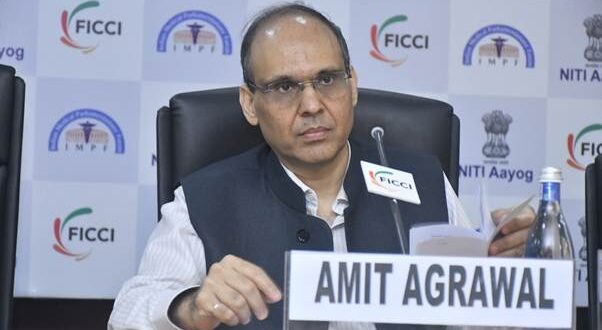
Newdelhi:21/8/25:Shri Amit Agrawal, Secretary, Department of Pharmaceuticals, Ministry of Chemicals & Fertilizers delivered a special address during the inaugural session of the Rare Diseases Conference 2025 at FICCI Auditorium yesterday. The Conference was organized on the theme “Making Rare Care Possible: Availability, Accessibility, Awareness.”
In his address, Shri Agrawal commended the organisers for bringing focus to an issue of growing significance that has historically not received adequate attention. He underlined that although rare diseases may appear infrequent individually, collectively they affect nearly one in every twenty individuals—around 5% of the population—making them a major public health concern. He emphasized that the rare disease challenge should be seen through a human lens and as a question of inclusion, not merely a medical or technical problem.
Citing the Prime Minister’s inclusive vision of Divyangjan, Shri Agrawal called for a response from government, industry, academia and civil society to address the multifaceted burden faced by patients and caregivers. Referring to the Prime Minister’s Independence Day address, he recalled: “We are known as the pharmacy of the world, but isn’t it the need of the hour to invest in research and development? Shouldn’t we be the ones providing the best and most affordable medicines for the welfare of humanity?”
Highlighting significant policy measures, the Secretary informed that Rare Diseases were included as a focus area under the Production Linked Incentive (PLI) Scheme for Pharmaceuticals. As a result, eight drugs for rare conditions have been supported, including Eliglustat for Gaucher’s Disease, where the cost of treatment has come down from ₹1.8–3.6 crore annually to ₹3–6 lakh. Other supported treatments include Trientine for Wilson’s Disease, Nitisinone for Tyrosinemia Type 1 and Cannabidiol for Lennox–Gastaut Syndrome, among others. He noted that such tangible reductions in treatment costs demonstrate the transformative potential of targeted policy interventions.
The Secretary also encouraged corporates to factor in rare disease patients under their CSR initiatives and patient assistance programmes, considering the heavy financial and emotional burden on affected families. He urged all stakeholders to evaluate their policies, regulations, funding models and programme designs through the lens of inclusivity. He suggested exploring special pathways or regulatory exemptions to address the unique needs of the rare disease community.
Shri Agrawal concluded by noting that he looks forward to recommendations and policy insights from the day’s deliberations and expressed keen interest in learning from global best practices to strengthen India’s policy framework for rare diseases.